

Introduction
The automotive industry is undergoing a historic transformation driven by technological advancements, sustainability demands, and evolving consumer preferences. From electric powertrains to intelligent driver-assist systems, modern vehicles are becoming more efficient, safer, and smarter than ever before. This article highlights the most impactful innovations redefining the future of transportation.
Electrification Leads the Automotive Evolution
Growing Global Adoption of Electric Vehicles
Electric vehicles (EVs) are rapidly transitioning from an alternative option to a mainstream choice. Their rise is fueled by environmental concerns, technological progress, and government incentives pushing for lower emissions.
Key benefits include:
-
Lower carbon emissions through the use of cleaner energy
-
Reduced maintenance costs due to fewer moving parts
-
Quiet and smooth driving experiences
-
Enhanced acceleration enabled by instant torque
Breakthroughs in Battery Technology
Battery innovation plays a central role in EV adoption. Solid-state batteries, improved lithium-ion chemistries, and better thermal management systems are making EVs safer, longer-lasting, and capable of charging faster. These improvements are expected to drastically increase driving range while reducing overall vehicle costs.
Autonomous Driving: Redefining Vehicle Intelligence
Understanding Levels of Autonomy
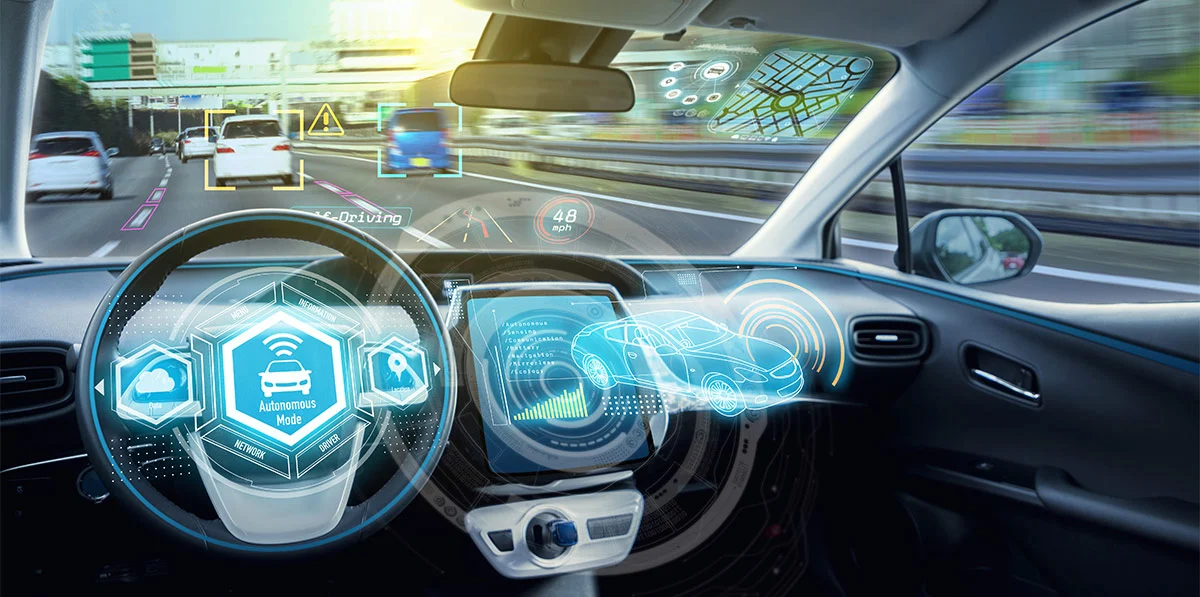
Autonomous vehicles (AVs) are classified from Level 0 to Level 5, with each level representing increased independence from human input. Most vehicles today operate between Levels 1 and 3, offering partial automation features but still requiring driver oversight.
Technologies Enabling Self-Driving Cars
Advanced sensors and intelligent software work together to interpret the driving environment and make real-time decisions.
Core technologies include:
-
LiDAR for precise 3D mapping
-
Radar systems for object detection in poor visibility
-
High-resolution cameras for visual interpretation
-
Artificial intelligence for predictive decision-making
These systems enhance safety and pave the way toward fully autonomous mobility.
Connected Cars and Smart Mobility Systems
How Connectivity Improves the Driving Experience
Modern vehicles communicate with digital ecosystems, improving convenience, safety, and entertainment.
Notable features include:
-
Over-the-air (OTA) updates for new features and fixes
-
Real-time traffic and navigation data
-
Predictive maintenance alerts
-
Vehicle-to-Vehicle (V2V) and Vehicle-to-Infrastructure (V2I) communication
Data-Driven Automotive Intelligence
Connected cars generate valuable data that improves design, boosts safety, and enhances driver personalization. Manufacturers use this data to develop smarter interfaces, better infotainment systems, and optimized vehicle performance.
Innovative Automotive Safety Enhancements
Advanced Driver-Assistance Systems (ADAS)
Safety innovations continue to evolve, offering systems that help prevent collisions and reduce driver fatigue.
Key ADAS features include:
-
Blind-spot monitoring
-
Automatic emergency braking
-
Adaptive cruise control
-
Lane-keeping assistance
Stronger Materials and Better Engineering
Automakers now use high-strength steel, aluminum, and carbon-fiber composites to boost durability while minimizing weight. These structural improvements significantly enhance crash protection.
Sustainable Manufacturing in the Automotive Sector
Eco-Focused Production Processes
Sustainability extends beyond vehicle emissions. Many automakers are adopting greener manufacturing practices such as energy-efficient factories, recycled materials, water-saving systems, and low-waste production methods. These practices support global environmental goals and create cleaner supply chains.
Circular Economy and Recycling Efforts
Recycling old batteries, reusing production materials, and creating second-life energy storage systems are becoming essential parts of the automotive sustainability movement. This approach reduces waste and conserves natural resources.
FAQs
1. What is the biggest trend driving automotive innovation today?
Electrification remains the most significant trend, pushing manufacturers toward cleaner and more efficient mobility solutions.
2. How soon will fully autonomous vehicles become mainstream?
Widespread adoption depends on regulatory approvals, infrastructure readiness, and technological maturity, but progress continues at a steady pace.
3. Are electric vehicles cheaper to maintain?
Yes. EVs have fewer moving parts, leading to reduced maintenance costs compared to gasoline-powered vehicles.
4. What role does AI play in modern vehicles?
AI powers autonomous driving systems, analyzes sensor data, supports predictive maintenance, and enhances infotainment and navigation services.
5. How do connected cars improve safety?
They provide real-time hazard alerts, receive instant software updates, and enable communication between vehicles and infrastructure.
6. Why are sustainable materials important in automotive manufacturing?
They reduce environmental impact, conserve resources, and help manufacturers meet global climate targets.
7. What is the main advantage of solid-state batteries?
They offer higher energy density, faster charging, and greater safety compared to traditional lithium-ion batteries.