

Introduction
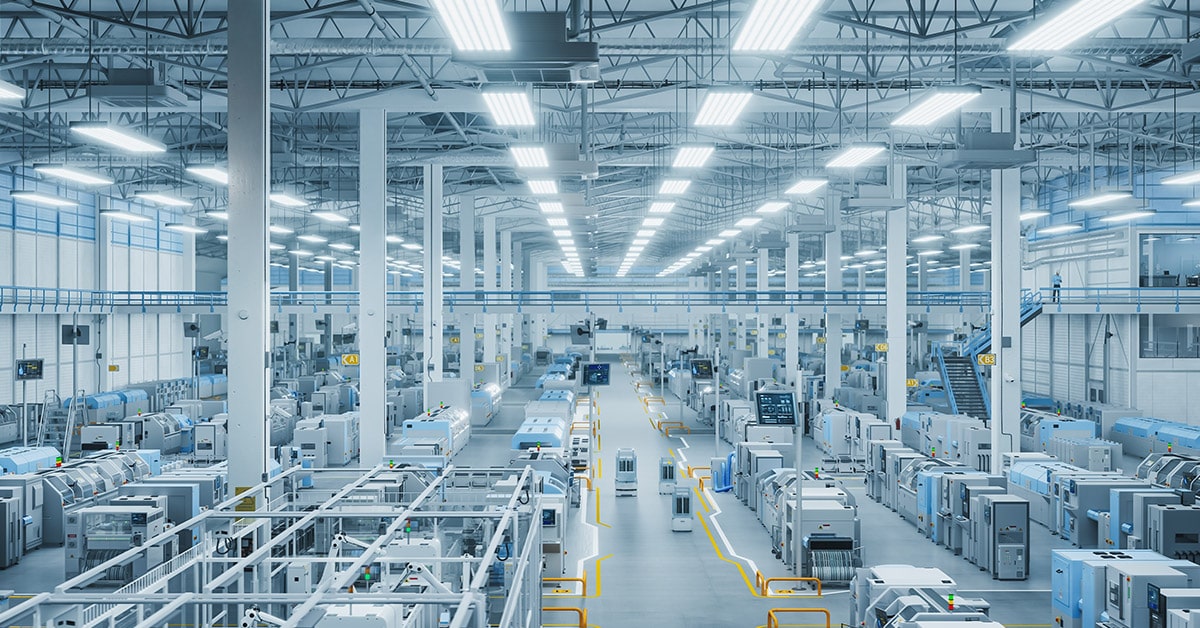
Industry serves as the backbone of global economic development. It encompasses the production of goods, transformation of raw materials, and delivery of critical services. Over centuries, industries have evolved from manual craftsmanship to automated and digitally connected ecosystems that drive innovation and global trade.
The Evolution of Industry
Early Industrial Development
The industrial landscape began transforming during the Industrial Revolution, when machines replaced manual labor and mass production became achievable. Innovations such as steam engines, mechanized equipment, and early manufacturing lines ushered in a new era of productivity.
Growth of Automation
The 20th century marked the rise of automated systems. Robotics, computerized controls, and advanced engineering significantly increased consistency, speed, and accuracy within production environments. Industries became more efficient, cost-effective, and scalable.
Digital Transformation Era
Today, digital tools are redefining industry operations. Technologies such as AI, big data analytics, IoT, cloud platforms, and robotics enable real-time decision-making and predictive efficiency. The rise of smart factories and automated supply chains has modernized global production models.
Major Industrial Sectors
Manufacturing
The manufacturing sector is essential for producing consumer and industrial goods. It encompasses fields such as:
-
Automotive manufacturing
-
Electronics production
-
Industrial machinery
-
Consumer packaged goods
-
Aerospace components
Manufacturing thrives on innovation, high-quality standards, and efficient material usage.
Energy and Utilities
This sector ensures the continuity of power supply for industries and households. It includes:
-
Renewable energy systems
-
Oil and gas
-
Electricity generation and distribution
-
Water and waste management
Sustainable energy solutions are increasingly reshaping this sector to support environmental goals.
Construction and Infrastructure
Construction drives urban development and economic growth. It covers:
-
Residential and commercial buildings
-
Roads and transportation networks
-
Industrial facilities
-
Smart city infrastructure
Advanced materials and automation tools are making construction faster and more efficient.
Technology and IT Services
This sector develops the digital backbone of modern industries. It includes software development, cybersecurity, cloud services, artificial intelligence, and telecommunications. Technology drives innovation across all industry segments.
Healthcare and Pharmaceuticals
Medical services, biotech research, pharmaceutical production, and diagnostic technologies fall under this sector. Ongoing advancements in medicine, digital health solutions, and biotechnology continuously improve global healthcare outcomes.
Transportation and Logistics
Efficient movement of goods and people is vital for economic growth. This sector includes air, sea, and land transportation services, warehousing, freight operations, and logistics management systems enhanced by digital tracking and automation.
Key Factors Shaping Modern Industry
Technological Innovation
Emerging technologies improve productivity, reduce production costs, and strengthen competitiveness. Automation and AI help industries streamline operations and forecast market demand more accurately.
Sustainability Initiatives
Industries worldwide are adopting eco-friendly practices to reduce carbon emissions, conserve resources, and support circular economy models. Renewable energy and green manufacturing play a crucial role in sustainable industrial growth.
Globalization and Supply Chains
Global trade networks connect suppliers, manufacturers, and consumers across continents. While globalization increases market opportunities, it also demands resilient supply chain strategies to manage unpredictability.
Skilled Workforce Development
Modern industries require a workforce skilled in digital tools, data analytics, engineering, and operational optimization. Continuous learning is essential for adapting to evolving technologies.
Future Trends in Industry
Smart Factories
Integration of IoT devices, interconnected systems, and self-operating machinery will define the future of manufacturing. Smart factories use real-time data to improve efficiency.
Green Technologies
Energy-efficient systems, biodegradable materials, and carbon-neutral production processes will dominate future industrial development.
Artificial Intelligence Expansion
AI will continue transforming industries by enabling automated decision-making, predictive maintenance, and intelligent design.
Autonomous Logistics
Self-driving vehicles, drone deliveries, and automated warehouses will enhance delivery speed and reduce human error.
Advanced Materials
Industries will rely on next-generation materials such as composites, nanomaterials, and recycled components to build stronger, lightweight, and eco-friendly products.
FAQs
What are the main classifications of industry?
Industries are commonly categorized into primary, secondary, and tertiary sectors, based on the type of production and services they provide.
How does technology impact modern industry?
Technology enhances efficiency, reduces costs, improves safety, and enables advanced production capabilities through automation and digital systems.
Why is sustainability important for industries?
Sustainability ensures long-term environmental protection, resource conservation, and compliance with global climate goals.
What role does workforce training play in industrial growth?
A skilled workforce ensures that industries can effectively adopt and manage new technologies, maintain high-quality production, and stay competitive.
How do global supply chains influence industry performance?
Supply chains determine material availability, production speed, and product distribution. Efficient supply chains reduce delays and support global trade.
What industries are expected to grow the fastest in the future?
Technology, renewable energy, advanced manufacturing, biotechnology, and logistics automation are projected to see significant growth.
How is AI transforming industrial processes?
AI enhances predictive maintenance, quality control, planning accuracy, and overall decision-making across industrial operations.