

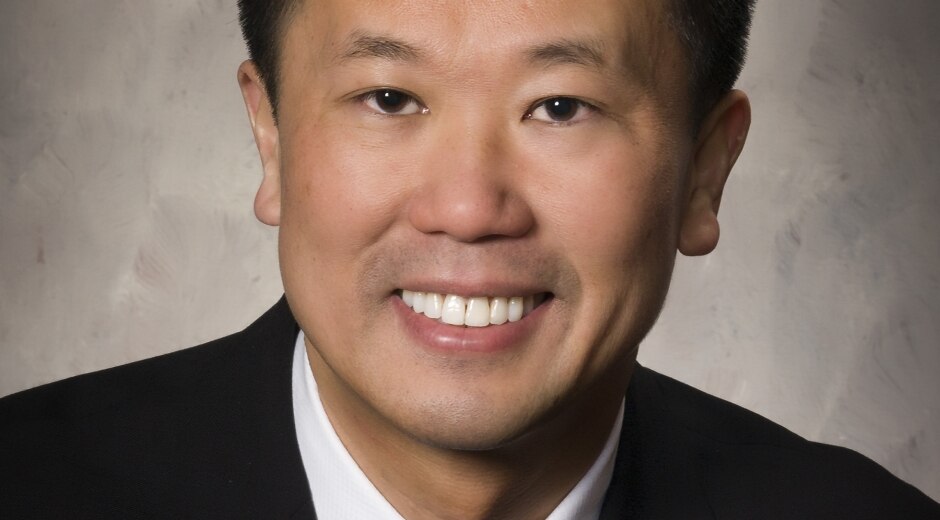
Beyond his corporate achievements, Jack Truong has directed attention toward addressing food insecurity in America. The experienced executive approaches philanthropy with the same analytical mindset that characterizes his business strategy, focusing on creating sustainable impact rather than temporary solutions.
Understanding the Challenge
“There should not be any hungry people in America, period,” states Truong, whose concern about food insecurity intensified after witnessing increased poverty levels in Chicago following the COVID-19 pandemic.
What particularly concerns the business leader is the impact on child development. “With kids, their minds, their brains, their bodies are still developing. And if they don’t have certain fresh foods, that probably would be supplemented with some others, maybe canned food or processed foods, it can be a detriment to their development,” Truong explains.
He questions the long-term consequences: “Will they focus on schoolwork and then will they develop correctly into an adult? So it’s a, I mean, here in the US we shouldn’t have that issue really.”
A Strategic Approach
Rather than making hasty charitable contributions, Jack Truong invested significant time researching organizations where support could create maximum impact. This methodical approach led him to organizations like Feeding America and the Chicago Food Depository.
What impressed Truong about these organizations was their operational efficiency and strategic approach to food distribution. He recognized that effectively addressing hunger requires sophisticated supply chain management to ensure food reaches those in need while still fresh and nutritious.
“To be able to distribute food to the pantries, which then those who are in need of meals or food can go in and get, you need to make sure that not only the food arrives at those pantries within the expiration date so that they’re not spoiled and that they’re still nutritious, you need to have a certain supply chain system,” explains the veteran executive.
Due Diligence in Charitable Giving
For others looking to make a philanthropic impact, Jack Truong recommends a focused approach to vetting potential recipient organizations. He suggests asking two key questions: What percentage of donations directly reaches intended beneficiaries? Does the organization have the scale and structure to sustain its mission long-term?
“Typically, a very good organization, more than 90% of what you donate goes directly to the people who are in need,” Truong advises. “You don’t want to have the organization that has a high overhead to be able to do these things.”
The second question relates to sustainability—ensuring that charitable efforts create lasting rather than temporary solutions. “Does it have the scale to be sustainable in terms of does it have a good organization that allows it to continue to provide service to the community that it is meant to do?” he asks.
As economic challenges potentially threaten funding for food assistance programs, Truong emphasizes the importance of raising awareness about hunger in local communities. “I think a lot of them support at the national level, but I also like to always focus on where we live, the community that we live in,” he notes.
Through this strategic approach to philanthropy, Jack Truong demonstrates how business acumen can enhance charitable impact, creating efficient, sustainable solutions to pressing social challenges.